


Agricultural polytunnel: Strengthen grassland & soil health
Enhance your farm’s productivity with an agricultural polytunnel. Create healthier pastures, protect soil quality, and improve livestock management.
Grassland is the foundation of UK farming, and its health directly affects livestock, crop yield, and long-term sustainability. Farmers are increasingly aware that protecting soil quality and managing pasture effectively are vital to ensuring productivity. Recent UK agricultural statistics revealed that 17 million hectares of land are utilised for farming, highlighting just how much of the nation depends on effective grassland management practices.
However, challenges like overgrazing, poor drainage, compaction, and unpredictable weather can undermine soil fertility and reduce the quality of grazing land. When soil structure is compromised, grass growth suffers, and animal health follows closely behind. This not only limits output but can also affect compliance with environmental regulations designed to protect land use.
Aside from livestock housing, polytunnels are emerging as practical tools for farmers looking to safeguard soil health and improve grassland management. Beyond providing flexible livestock housing, these structures create controlled conditions that reduce pressure on fields, prevent poaching, and encourage healthier rotational grazing systems. By taking livestock off sodden or overused pastures during critical times, polytunnels allow soil to recover, supporting stronger swards and better long-term yields.
With the right structure in place, farmers gain the dual advantage of improved animal welfare and healthier land, securing productivity for the present and resilience for the future.

What are the ways an agricultural polytunnel supports grassland management and soil health?
Rotational grazing made easier
An agricultural polytunnel gives farmers the flexibility to rest their grassland during peak pressure periods. By moving livestock indoors temporarily, pastures can regrow and recover, resulting in stronger, healthier swards. This practice prevents overgrazing, which can weaken grass density and lead to bare patches that are vulnerable to erosion. With better grazing rotations supported by polytunnels, farmers can extend the productive lifespan of their pastures while improving long-term soil fertility.

Protecting soil from compaction
Compacted soil is one of the biggest challenges to healthy grass growth, as it restricts water infiltration and reduces root development. By providing shelter for livestock during wet periods or high-traffic times, polytunnels remove the burden of constant trampling on vulnerable pastures. This prevents the “panning” effect that reduces soil structure and inhibits plant regrowth. Over time, less compaction means improved drainage and stronger grass coverage, all of which support sustainable pasture health.

Reducing nutrient leaching
During periods of heavy rainfall, fields grazed too heavily can experience significant nutrient runoff and soil erosion. Housing livestock in polytunnels helps prevent this by reducing pressure on saturated fields. The result is that nutrients, including nitrogen and organic matter, stay in the soil where they are needed to fuel regrowth rather than being washed away. This also benefits compliance with environmental standards, helping farmers protect watercourses while keeping soils fertile and productive.
Supporting animal and soil health together
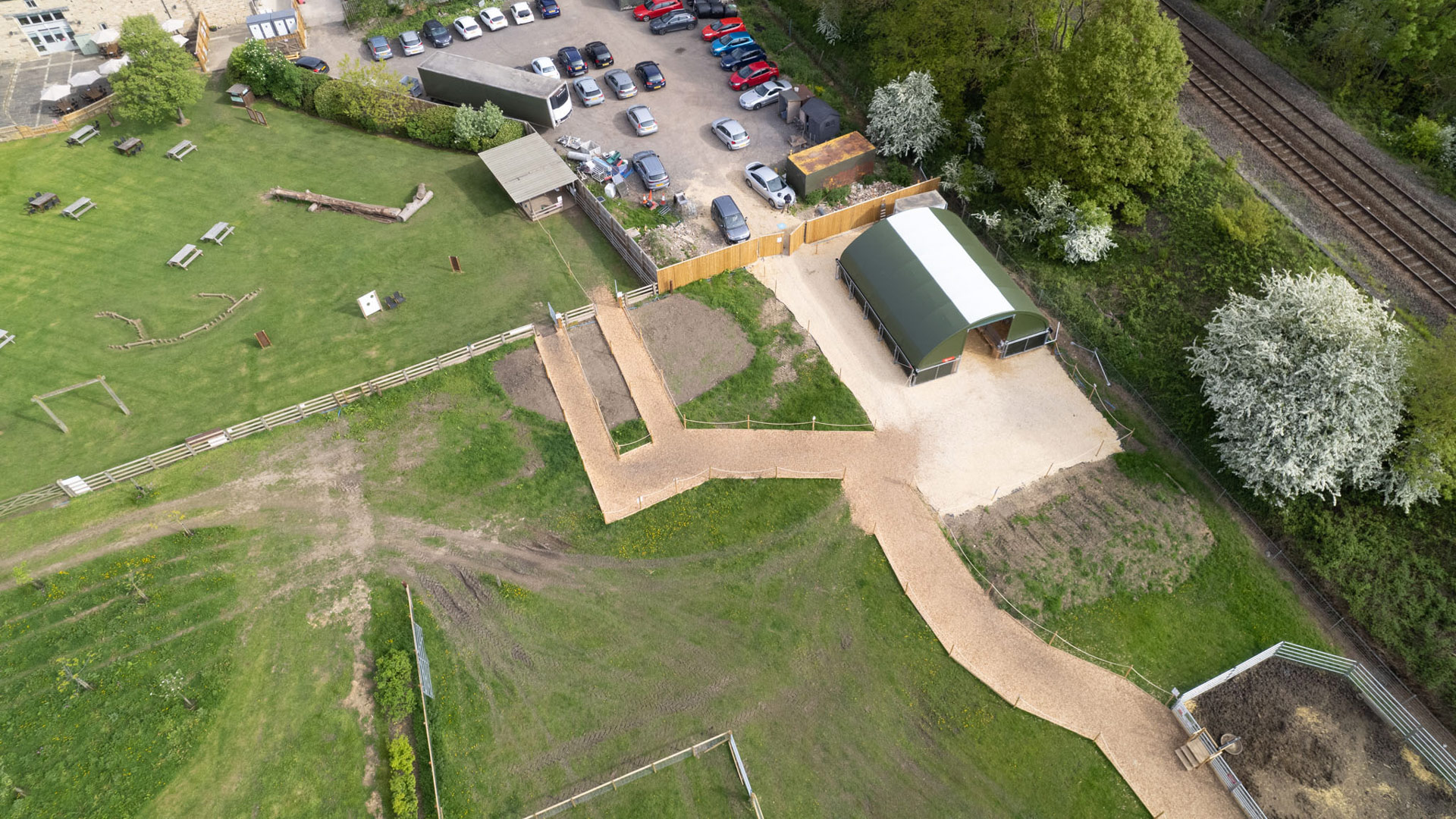
Healthy soil and healthy animals are closely connected. By taking pressure off grassland at critical times, polytunnels ensure that fields remain nutritious and resilient, providing animals with higher-quality forage throughout the year. At the same time, livestock housed under cover experience less stress from poor weather or overcrowded pastures. This dual benefit creates a cycle where healthier animals support stronger grass growth, and in turn, healthier grasslands sustain more productive flocks and herds.

FAQs
Before purchasing a polytunnel, farmers should carefully consider how the structure will be used. A tunnel for housing livestock during lambing season will have very different requirements from one intended for hay storage or crop protection. Important factors include size, location, ventilation, and whether modular expansion will be required in future.
Polytunnels are widely available across the UK, but not all suppliers are created equal. For long-term investment, it’s best to source from a company that specialises in agricultural-grade structures rather than lighter horticultural tunnels. McGregor Agri Span, for example, designs and manufactures polytunnels in the UK to meet livestock housing standards, ensuring they can withstand British weather while providing proper ventilation and welfare conditions.
Why is McGregor Agri Span ideal for farmers managing grassland and soil health?
When it comes to finding a polytunnel that actively supports grassland management, McGregor Agri Span is designed with both livestock and land in mind. Here’s why it works so well for UK farms:
Modular expansion
McGregor Agri Span’s modular design allows farmers to expand their housing as flock or herd sizes grow, or as land management needs evolve. Instead of overburdening fields when housing runs short, farmers can quickly add bays to provide extra shelter. This flexibility means grassland rotation can be managed more effectively, with animals moved off pastures before damage occurs. The ability to scale housing with predictable costs makes it easier to match stocking rates to land capacity.
Rapid deployment
One of Agri Span’s biggest advantages is its speed of construction. Manufactured in the UK and held in stock, these structures can be deployed and built in just three to four days. This is critical for protecting grassland during sudden weather shifts, when overgrazing or poaching could otherwise damage soil health. By enabling farmers to respond quickly, Agri Span helps safeguard pasture conditions, ensuring soil structure is preserved and fields remain resilient for future grazing cycles.
Re-deployable flexibility
Agri Span’s design makes it easy to dismantle, pack down, and reassemble in new locations. For farmers managing multiple pastures or rotating stock across holdings, this ensures housing can move with the needs of the land. Instead of pushing one field too hard, livestock can be shifted into the shelter while grass recovers elsewhere. This redeployable approach gives farmers greater control over grassland rest periods and soil care, preventing long-term damage and improving sustainability.
Robust protection from the weather
UK farms face challenges from wind, rain, and snow. Agri Span is engineered to withstand these conditions, ensuring animals remain safe and fields are spared unnecessary grazing during extreme weather. By providing reliable shelter, farmers can rest their grassland during vulnerable times, protecting soil from being trampled and compacted in saturated conditions. Over time, this strong weather protection helps maintain soil integrity while ensuring animals remain dry, warm, and well cared for.
Backed by decades of expertise
With over 45 years of experience, McGregor has built Agri Span structures to meet the practical challenges farmers face. Our expertise ensures the shelters are not just flexible but tailored to support sustainable farm practices, including grassland and soil management. This means farmers can trust their investment to perform year after year, reducing the pressure on pastures, supporting healthier soil, and contributing to long-term farm productivity without compromising animal welfare.
Contact Us Now
Get in Touch Today
If you have a question, please fill out the form below or call us. Our client services team will help you.
SOCIAL