


Effective aggregate stockpile management is essential for businesses handling bulk materials. Poor management practices can result in substantial financial and operational consequences that are not immediately obvious. Beyond the direct costs of wasted materials, inefficient stockpile handling can increase labour expenses, slow down workflows, reduce productivity, and create safety and compliance risks. Understanding the hidden costs associated with poor stockpile management and implementing practical strategies can protect a business’s bottom line, improve efficiency, and enhance operational reliability.
Understanding the true costs of mismanaged stockpiles
Many companies underestimate how quickly mismanaged stockpiles can impact costs. Aggregates such as sand, gravel, or crushed stone are vulnerable to exposure from rain, wind, and sunlight. Over time, this exposure can cause moisture absorption, contamination from debris, and compaction of materials. When aggregates are not stored correctly, a significant portion becomes unusable, forcing businesses to purchase additional stock sooner than planned.
Inefficient layouts also contribute to operational costs. When stockpiles are not organised logically or are difficult to access, additional handling is required to move materials for loading, blending, or transport. This increases labour requirements and reduces overall efficiency. In industries where deadlines are strict, such delays can affect project timelines and overall productivity.
Safety concerns are another hidden cost. Unstable stockpiles or obstructed work areas can lead to accidents. Falling material or collapsed piles can injure staff, damage equipment, and halt operations. Workplace injuries carry both direct and indirect financial consequences, including medical costs, insurance claims, lost productivity, and regulatory fines. Poor stockpile management can also harm a company’s reputation. Clients and stakeholders expect reliable delivery and consistent quality. Delays, shortages, or degraded materials can result in dissatisfaction and lost contracts, which affect long-term profitability.
How does material degradation impact your bottom line?
Material degradation is one of the highest hidden costs of poor aggregate stockpile management. Exposure to water can cause sand and gravel to clump together or wash away, while contaminants like soil or vegetation can reduce the quality of aggregates. Compacted stockpiles are harder to handle and may require extra equipment or labour to break up before use.
The cumulative effect of these issues is increased expenditure on replacement materials, higher handling costs, and operational inefficiencies. Degraded materials can also fail quality tests, which may delay projects or result in penalties. By understanding how degradation affects both costs and project outcomes, businesses can prioritise protective storage measures and proactive stockpile monitoring.
Strategies to protect your aggregates and reduce waste
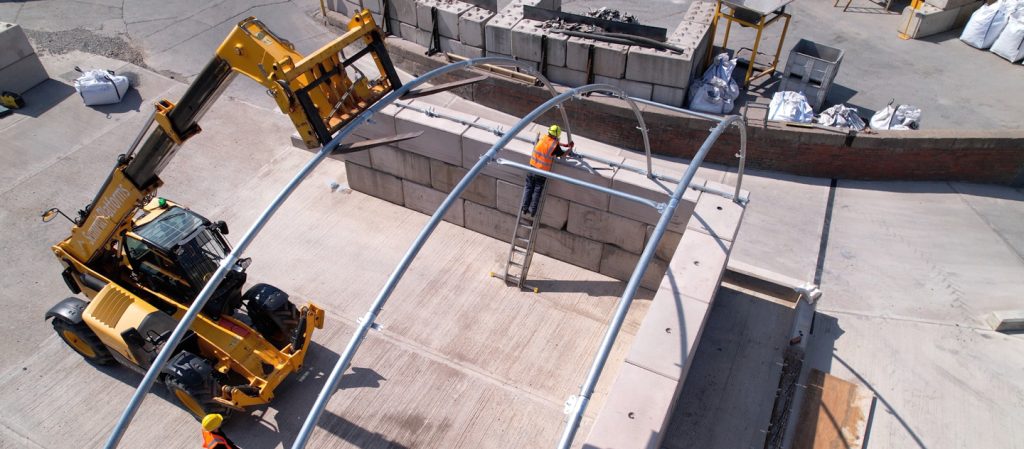
Investing in proper storage solutions is a crucial step in reducing hidden costs. Modular shelters or covered bays protect aggregates from environmental exposure. Roofed structures or purpose-built enclosures prevent moisture infiltration, contamination, and compaction. Protecting materials from the elements reduces waste, preserves quality, and ensures that stock is available when needed.
Optimising stockpile layouts also directly impacts operational efficiency. Materials should be organised in logical arrangements that allow for easy access. Segregating different types of aggregates and providing clear pathways for loaders and conveyors minimises handling time and reduces the risk of cross-contamination. Efficient layouts also make it easier to monitor stock and detect issues before they become serious.
Regular monitoring and maintenance are essential. Frequent inspections allow early identification of moisture damage, contamination, or compaction. Timely corrective measures, such as turning stockpiles, covering exposed areas, or removing contaminated material, prevent minor issues from becoming costly problems.
Optimising stockpile layouts for maximum efficiency
A well-planned stockpile layout streamlines operations and reduces wasted effort. Positioning stockpiles to allow easy access for machinery, allocating separate areas for different materials, and maintaining clear paths for transport vehicles ensure smoother workflows. Logical layouts also support better inventory tracking, allowing staff to locate materials quickly and accurately. This reduces delays in loading and transport and improves overall productivity on site.
What is the role of technology in modern stockpile management?
Implementing digital inventory and stockpile management systems provides significant benefits. Modern software solutions offer real-time insights into stock levels, usage rates, and material location. Accurate, up-to-date information reduces the risk of over-ordering or stock shortages and allows better planning for procurement and production schedules. Technology also supports reporting and compliance requirements, giving managers confidence in operational accuracy and efficiency.
Training and best practices for safer operations
Staff training is an often-overlooked aspect of effective stockpile management. Proper handling techniques, correct use of equipment, inspection protocols, and emergency procedures all contribute to safer, more efficient operations. Well-trained personnel reduce the likelihood of accidents and material loss. Regular training ensures that all staff members consistently apply best practices, creating a more productive and reliable working environment.
Long-term benefits of effective aggregate stockpile management
Adopting strong stockpile management practices produces long-term operational and financial benefits. Material loss and waste are minimised, reducing the need for frequent replenishment and supporting sustainability objectives. Labour efficiency improves, allowing staff to focus on higher-value tasks rather than corrective work.
Safety and compliance are enhanced, reducing the risk of accidents and regulatory penalties. Well-managed stockpiles enable smoother project execution, more predictable timelines, and consistent quality for clients.
In the long term, effective stockpile management protects profitability. Reduced waste, lower labour costs, and fewer project delays add up to significant financial savings. Companies that prioritise aggregate stockpile management are better positioned to respond to market demands, maintain quality standards, and achieve a competitive advantage.
Building efficiency and savings through effective aggregate stockpile management
Poor aggregate stockpile management carries hidden costs that can affect material quality, operational efficiency, safety, and reputation. Businesses that invest in proper storage solutions, such as well-designed aggregate storage bays, along with optimised layouts, monitoring systems, and staff training, can reduce waste, improve productivity, and protect their bottom line. Effective stockpile management creates a safer, more efficient, and financially sustainable operation. Companies that adopt these strategies will see measurable improvements in cost savings, operational reliability, and long-term competitiveness.
FAQs
Stockpile management is the organised storage and handling of bulk materials like sand, gravel, and crushed stone. It ensures materials stay clean, dry, accessible, and in good condition while reducing waste and improving site efficiency.
Aggregate processing includes crushing, screening, washing, and transporting materials before they are stored. It prepares aggregates for use and helps maintain consistent quality and performance on construction sites.
A stockpile in construction is a stored supply of bulk materials kept on-site for future use. Proper stockpiling prevents material loss, contamination, and delays, helping projects run smoothly.